Free Back to School Essentials for Teachers: Get to Know You Activity, Class Syllabus, Homework Helpers and More!


Let's get right to the good news: everything I'm sharing in this post is included in this FREE pack of back to school essentials for teachers. That's right! I've put together a set of free resources to help make your back to school planning a little easier. You can grab the collection of free school start materials right here.

If you're curious about what is included in the beginning of the school year pack, see what's inside below.


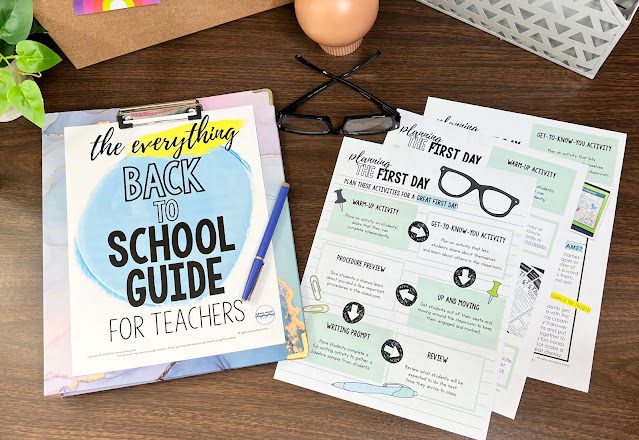
First of all, there's a get to know you activity that you can share with students on the first day of school. I'm a big fan of placing an activity on students' desks to complete independently when they arrive to your classroom on the first day. Having something to busy themselves with is a great way to reduce students' back-to-school jitters. The activity included in the freebie is an infographic. There are three versions included. Students can share all about themselves in a clever way. Then, fast finishers can color in their worksheet. Add this activity to the infographic for a perfect first day!


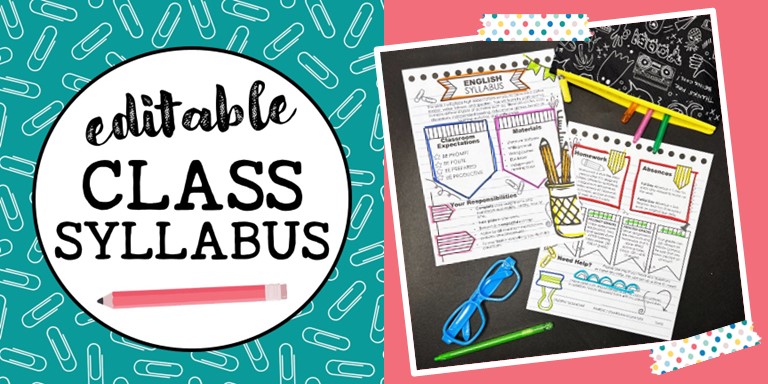
 As school starts, you'll likely want to give students some insight into your classroom. I like to do this with a syllabus. However, a syllabus is generally a very boring document. Not anymore! You'll find a doodle-themed free syllabus in the download. I've included a sample syllabus to provide suggestions about what to include in a class syllabus. Then, you can use the editable syllabus to add all kinds of information unique to your classroom. Providing a syllabus in such an engaging format is a great way to demonstrate how creative your class will be all year long. (Add even more doodles to your instruction with these Doodle and Do resources.)


If you plan to assign homework in the upcoming school year, you'll love the homework helpers included in the free back to school pack. There are three different resources targeted to motivating students to complete work and tracking students' work.  Download the free back to school guide for a missing homework record, homework excuse note, and homework passes that you can give to students. If you're looking for more homework ideas, don't forget to grab these creative Homework Twist cards that you can add to any assignment!


What's back to school prep without some serious classroom set-up? Sometimes it can be overwhelming to figure out how to get our classrooms decorated. That's where this freebie comes in. In the free back to school guide, you'll find a round-up of clever (and often free) décor ideas to help your classroom look styled for the new school year. Get your decorating started with these ready-to-print décor packs.


Just when your new school year gets started, it feels like it's time to plan for Open House or Curriculum Night. It can be such a challenge to figure out how to plan the ideal Open House. That's why I've included an Open House Checklist filled with ideas for what to do before, during, and after Open House to connect with parents. You'll also be able to print an easy sign-in sheet to track parents' attendance. Find all kinds of resources for parents and Open House here.


---------------------------------------

I'm so excited to share this free Back to School Essentials pack with you. I hope you find some tools to add to your teacher toolbox! 


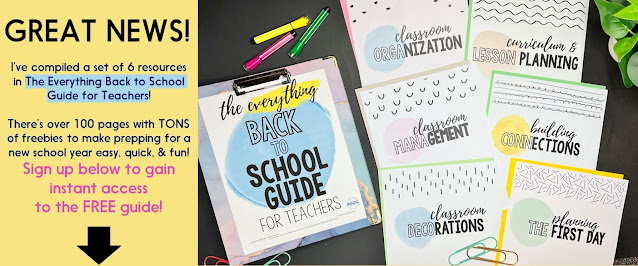
*************GREAT NEWS**************

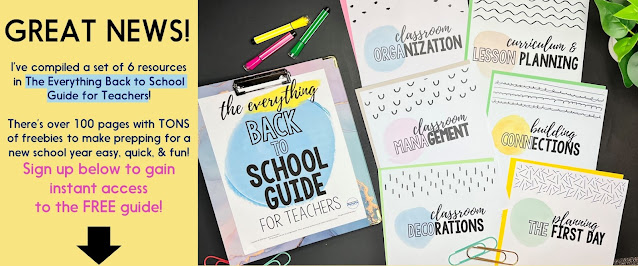
If you're looking for more ways to prepare for a new school year, be sure to grab the FREE EVERYTHING GUIDE for TEACHERS! It includes over 100 pages of freebies!!!


Thanks so much for stopping by!

Mary Beth


Promoting Social-Emotional Learning in Upper Elementary and Middle School Classrooms: Building Strong Classroom Communities


Social-Emotional Learning (SEL) is a crucial component of education that goes beyond academic achievement. It equips students with the necessary skills to understand and manage their emotions, build positive relationships, and make responsible decisions. 

Social-Emotional Learning refers to the process of acquiring and applying knowledge, attitudes, and skills related to recognizing and managing emotions, developing empathy, establishing positive relationships, making responsible decisions, and engaging in effective communication. SEL cultivates a safe and nurturing environment that enhances students' overall well-being, academic success, and long-term success in life.

In upper elementary and middle school classrooms, SEL activities play a pivotal role in fostering a supportive and inclusive classroom community. Let's explore the significance of SEL and discover engaging activities that can promote social-emotional growth in students.


OPEN DIALOGUE

Create a classroom community where students have plenty of opportunities to reflect and share. Build an environment that encourages an open dialogue with these activities...

>>> Morning Meetings: Start the day with a structured time for students to connect, share, and build relationships.


>>> Class Agreements: Collaboratively establish rules and expectations that promote respect, empathy, and inclusivity.


>>> Feelings Check-In: Begin each class with a check-in where students identify and discuss their emotions, fostering self-awareness and empathy. Grab the "Where's Your Head At?" activity here.


>>> Circle Time: Create a space for open dialogue, encouraging students to express their thoughts, concerns, and experiences.


COLLABORATION

Help students develop their SEL skills by working with their peers. Provide students with opportunities to collaborate with...


>>> Collaborative Projects: Assign group projects that require teamwork, communication, and problem-solving, fostering a sense of belonging and cooperation.


>>> Role-Playing Scenarios: Engage students in role-playing activities that explore conflict resolution, empathy, and effective communication. You can also have students work together as they write and preform emotions skits.


>>> Peer Buddy System: Pair older students with younger ones to promote mentorship, empathy, and mutual support.


>>> Appreciation Board: Establish a visual display where students can express gratitude and appreciation for one another's efforts and achievements. Students can also go on a commonality hunt in the classroom with this fun activity.


REFLECTIONS

Part of Social Emotional Learning is taking time to be reflective. Plan activities where students can reflect on their own feelings, challenges, and experiences with activities like...

>>> Reflection Journals: Provide students with dedicated time to reflect on their experiences, emotions, and personal growth. Find 10 targeted writing prompts here.


>>> Art Therapy: Incorporate art activities that encourage self-expression, creativity, and emotional exploration.


>>> Mindfulness Exercises: Introduce mindfulness practices like breathing exercises, meditation, or guided imagery to promote self-regulation and stress reduction. Download these FREE mindfulness quotes and finger labyrinths to try in the classroom.


ACTS OF SERVICE

Nurture emotional intelligence, empathy, and responsible decision-making among students with acts of service such as...

>>> Community Service Projects: Engage students in activities that allow them to give back to their community, fostering empathy and a sense of social responsibility. Guide students through an acts of kindness challenge with this activity.


>>> Thank You Note Writing: Help students spread a little kindness with a thank you note writing lesson. Here's a resource to help students get writing.


LEARNING ACTIVITIES

Intentionally teach students about the components of Social Emotional Learning. Guide students as they develop their SEL traits with learning activities like...

>>> Literature Exploration: Use books and stories to spark discussions about empathy, compassion, and understanding diverse perspectives.


>>> Reading Passages: Use reading passages to help students learn about social emotional learning. These 10 passages and writing prompts are ideal for promoting social emotional learning.


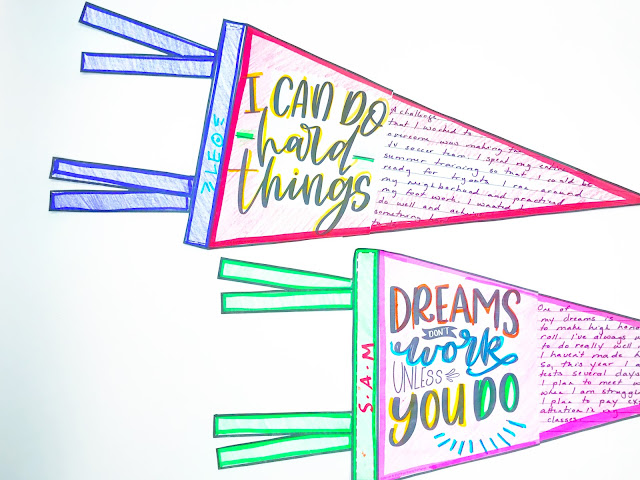
>>> SEL Games and Role-Playing: Engage students in interactive games and role-playing scenarios that focus on emotional intelligence, perspective-taking, and problem-solving. Incorporate creative activities like these positive pennant flags to teach about SEL.


----------------------------------------------------


As educators, we know that when students feel seen, heard, and valued, they are more likely to thrive academically and personally, setting the stage for long-term success in their lives. Let's continue to prioritize SEL and create environments where students can grow into well-rounded individuals ready to face the challenges of the future.


*************GREAT NEWS**************

If you're looking for more ways to create a positive classroom, be sure to grab the FREE EVERYTHING GUIDE for TEACHERS!


Thanks so much for stopping by!

Mary Beth


P.S. Check out more activities to build self-awareness in this popular blog post.


Long-Range Curriculum Planning for Middle School ELA: A Comprehensive Guide for Teachers

Starting a new school year signals the beginning of a great deal of curriculum planning. Determining what to teach in what order can be overwhelming especially since effective long-range planning is the cornerstone of a successful middle school English Language Arts (ELA) classroom. It allows teachers to set clear goals, create engaging lessons, and ensure a coherent and well-structured curriculum throughout the year. In this blog post, I'm sharing a step-by-step guide on how to complete long-range planning for your middle school ELA curriculum. 

Here's the best news, though! ⤋  ⤋  ⤋

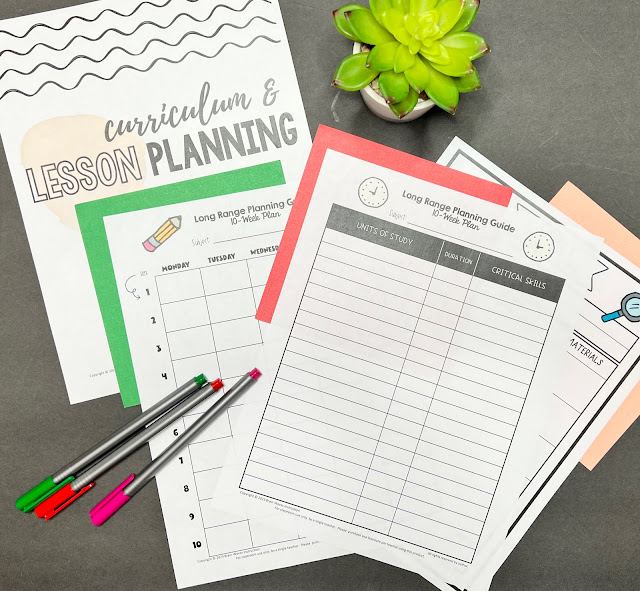
I've put together these tips and the tools for long-range planning in the free Back to School Guide for Teachers. Get the 100+ resource filled with exclusive freebies sent to your inbox here.


Start by thoroughly reviewing the ELA curriculum standards and objectives for your grade level. Understand the scope and sequence of the content that needs to be covered throughout the year. Identify the key skills, themes, and concepts that students should master by the end of the academic year.


TIP: Use backward design: Begin your planning process by considering the desired end result—what do you want your students to achieve by the end of the year? Work backward from there to determine the steps and skills necessary to reach those goals.


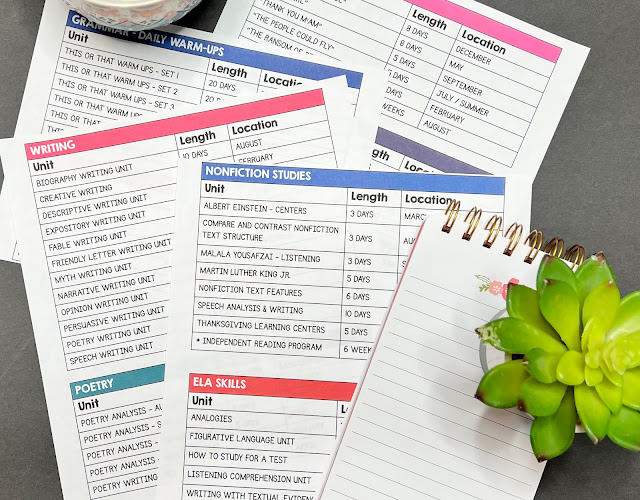
Develop an annual overview that outlines the major units or topics you will cover throughout the school year. Break down the curriculum into manageable chunks, keeping in mind the length of each unit and the pacing required. Consider any specific events, holidays, or standardized tests that might impact your planning.


TIP: Capitalize on students' natural excitement for holidays and special events and incorporate critical ELA skills into seasonal units. For instance, have students write poems for Veterans Day or complete mini-research projects as they learn about Christmas around the world. Find all my favorite content-rich holiday resources here.


For each unit, establish clear goals and learning outcomes that align with the curriculum standards. These goals should be specific, measurable, achievable, relevant, and time-bound (SMART). By setting clear objectives, you'll be better able to monitor student progress and ensure that your instruction remains focused.


TIP: As you're designing units, incorporate authentic texts: Integrate a wide range of authentic texts, such as novels, articles, poems, and multimedia resources, to engage students and expose them to diverse perspectives and literary forms. I'm a big fan of authentic texts, find ready-made literature units here.


Devise assessments that align with your unit goals and learning outcomes. These can include both formative assessments (such as quizzes, discussions, or self-reflections) and summative assessments (such as projects, essays, or exams). By aligning assessments with the curriculum, you can evaluate student understanding and adjust your teaching strategies accordingly.


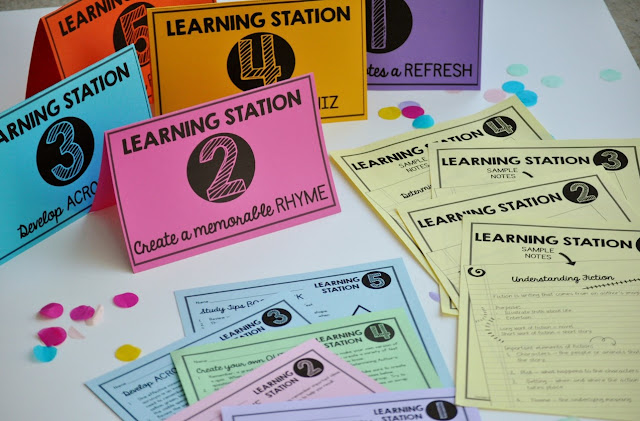
TIP: It's a great idea to teach students how to actually prepare for assessments. Consider incorporating units that teach students how to study along with units to help students as they prepare for standardized assessments.


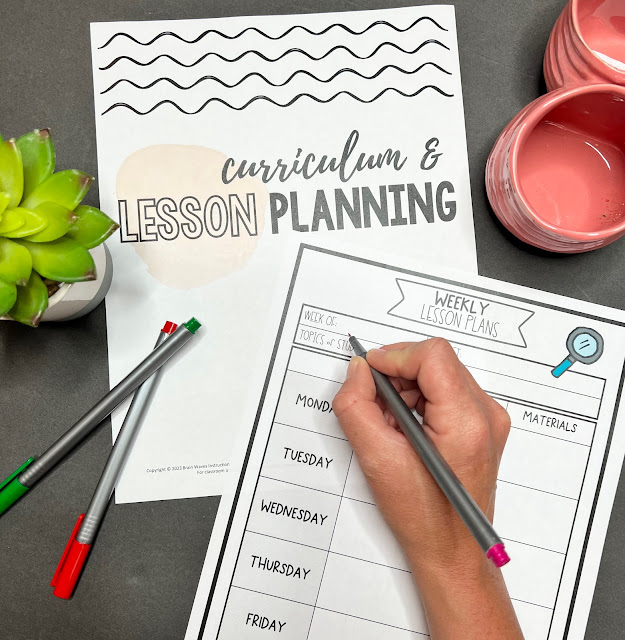
Break down each unit into smaller, more detailed plans. Outline the specific lessons, activities, and resources you will use to address the learning objectives. Incorporate a variety of instructional strategies to cater to diverse learning styles and keep students engaged. Consider incorporating technology, guest speakers, field trips, or hands-on projects to enhance learning experiences.


TIP: Foster student choice: Provide opportunities for student choice and voice in selecting texts, topics, or projects. This promotes student engagement and allows them to explore their interests while still addressing curriculum goals. Find free choice boards here.


Create a flexible timeline for each unit, allowing room for adjustments and additional activities as needed. Consider factors such as school events, holidays, and breaks when determining the pace of instruction. A flexible timeline ensures that you can adapt your plans to accommodate unforeseen circumstances without sacrificing the overall curriculum.

TIP: Collaborate with colleagues: Share ideas and collaborate with other ELA teachers in your school or district. Collaborative planning allows for the sharing of resources, brainstorming creative approaches, and ensuring consistency across classrooms.


---------------------------------------------------

Long-range planning is a vital process that empowers middle school ELA teachers to create a cohesive and engaging curriculum. By following the steps outlined in this post, I hope you can develop a comprehensive long-range plan that aligns with curriculum standards and promotes student achievement. If you're in search of a ready-made curriculum for the entire year, save tons of time and money with this ELA curriculum bundle.


Also, don't forget to grab the EVERYTHING Back to School Guide for teachers with even more tips and tools for lesson planning.


Thanks so much for stopping by!

Mary Beth


P.S. I love creating units and lessons for teachers like you, be sure to grab a bunch of FREE lessons here.

Effective Strategies for Managing Challenging Student Behavior: A Proactive Approach


Managing challenging student behavior is an ongoing concern for teachers. I've had my fair share of difficult students and even classes. Over the years, I found that adopting proactive strategies and maintaining a positive classroom environment, helped me to effectively address and promote positive behavior among my students. Today I'm sharing some strategies to promote positive behavior before, during, and after students misbehave. 


FIND READY-MADE MANAGEMENT RESOURCES HERE.


In this post, you'll find my teacher-tested techniques for managing challenging student behavior proactively, dealing with difficult situations in the moment, and building connections with students after misbehavior occurs below. I've also put together a TON of ways to manage behavior in this classroom management pack.


One of the best ways to deal with challenging behavior is to try to prevent it. While that might be easier said than done, here are a few proven ways to proactively promote positive behavior in the classroom.

>>> Clear Expectations: Set clear and consistent expectations for behavior in the classroom. Ensure that students understand the rules, consequences, and rewards associated with their actions.

>>> Establish Routines: Create structured routines and procedures that provide a sense of stability and predictability for students. Consistency fosters a positive environment and reduces the likelihood of disruptive behavior. 

>>> Individualized Support: Recognize that each student is unique and may require personalized support. Identify their strengths and interests, and provide opportunities for success to encourage positive behavior. Try to gain insight about students from their own personal inventories, insights from parents, and support from former educators.


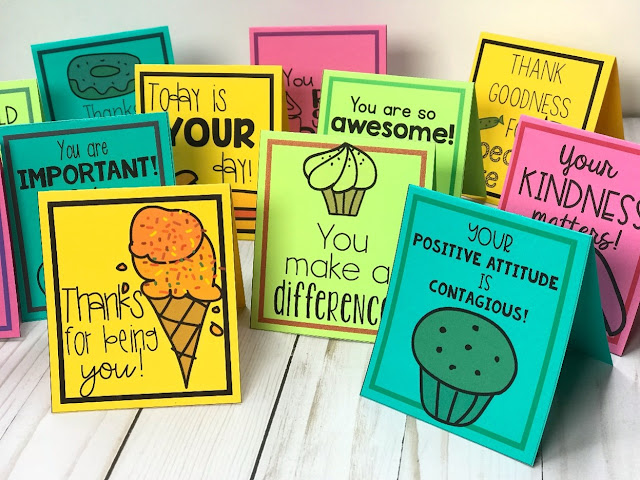
>>> Positive Reinforcement: Utilize positive reinforcement techniques such as verbal praise, rewards, and recognition to motivate students and reinforce desirable behavior. Celebrate their achievements publicly to boost their self-esteem. Grab free positive notes here.


OK, OK...so you've tried to put all the positive systems in place to promote great behavior, but you're faced with some challenging behavior in the classroom. What do you do in the moment? Well, here are a few strategies that you can give a try...

>>> Remain Calm and Composed: It's essential for teachers to maintain a calm demeanor when addressing challenging behavior. Reacting with anger or frustration may escalate the situation further. Use a calm, quiet voice with students and keep your composure.

>>> Active Listening: Take the time to actively listen to the student's concerns or frustrations. Sometimes, disruptive behavior can stem from underlying issues that need to be addressed. Ask questions and seek clarification to try to understand what the student wants/needs.

>>> Use Proximity and Non-Verbal Cues: Move closer to the student displaying disruptive behavior to subtly signal that their actions are being noticed. Utilize non-verbal cues such as eye contact or hand gestures to redirect their attention.

>>> Provide Clear Consequences: Clearly communicate the consequences of the challenging behavior, ensuring that students understand the link between their actions and the outcome. Consistency in applying consequences is crucial.


Sometimes the most powerful way to encourage positive behavior and thoughtful choices in the future is to connect with students after they exhibit challenging behavior. You can do this with these strategies...

>>> Private Conversation: Initiate a private conversation with the student to discuss the incident and understand their perspective. This approach helps build trust and allows for open communication.

>>> Reflective Questions: Ask the student reflective questions about their behavior, allowing them to contemplate the consequences and alternative choices they could have made. Encourage them to take ownership of their actions.

>>> Restorative Practices: Implement restorative practices, such as mediation or peer-to-peer conversations, to repair relationships and encourage empathy and understanding among students.


>>> Building Positive Relationships: Make an effort to build positive relationships with challenging students by showing interest in their lives, providing mentorship, or involving them in classroom activities. Positive relationships create a sense of belonging and reduce the likelihood of future disruptive behavior. (Here's a fun way to add positivity to the classroom with pennant flags.)
-----------------------------------------------------------------------

Let's face it, managing student behavior can be an ongoing concern for teachers. Every student is different. They each bring their own unique gifts and challenges. I hope these strategies help provide some ways to manage behavior in your classroom.


*************GREAT NEWS**************

If you're looking for more ways to create a positive classroom, be sure to grab the FREE EVERYTHING GUIDE for TEACHERS!


Thanks so much for stopping by!

Mary Beth


Classroom Organization Ideas for Back to School - Classroom Hacks


If you're reading this, then you know that setting up a classroom can be a daunting task, and keeping the classroom organized can seem almost impossible. That's where these easy classroom organization hacks come in. They are simple ideas to make your spaces more efficient, and...well...organized. (Oh, and if you're looking for more back to school ideas, grab this FREE guide for teachers filled with nearly 100 pages!)

Here's a round up of 6 easy organization hacks to try in your classroom. 


HACK #1: SHOE ORGANIZER FOR SUPPLIES

If there's one thing that classrooms are notorious for, it's having a lot of supplies. Figuring out where to put all the work and craft supplies can be overwhelming. However, you can make your life easier with a shoe hanger. Just hang a clear, over-the-door shoe organizer on the back of your classroom door or up on a wall. Use the pockets to store small supplies like markers, calculators, and glue sticks.


HACK #2:  HANGING FILE FOLDER CRATE

Papers! Papers! Papers! A classroom is filled with papers. If we don't get a handle on all the handouts, they can overrun a classroom space. So, make your life a litter easier with hanging file folder crates. Use a portable file crate with hanging file folders to organize handouts, worksheets, and other papers. Label each folder with the corresponding subject or topic for easy access.


HACK #3:  MAGNETIC SPICE CONTAINERS

Here's an idea for your teacher desk area. To keep it tidy and organized, attach magnetic spice containers to a metal whiteboard or cabinet to store office items such as paper clips, pushpins, or rubber bands. They keep your supplies within reach and reduce desk clutter.


HACK #4:  BINDER CLIP CABLE MANAGEMENT

I'm not a big fan of all the wires associated with technology in the classroom, So, I've used this simple hack to keep them all in order. Simply use binder clips to keep computer and device cables organized. Attach them to the edge of desks or use a small basket to hold the clips and prevent cables from tangling.


HACK #5:  DAILY SUPPLY CADDIES

Oh my goodness! This is one of my favorite ways to keep the classroom organized. Before the school year begins, gather supplies that students frequently use in small supply caddies or even plastic food containers. Then, when students are working, you can place small supply caddies or containers on student desks containing frequently used materials like pencils, highlighters, and scissors. This minimizes disruptions caused by students searching for supplies.


HACK #6:  STUDENTS' WORK:

I used this hack in my middle school classroom to manage all the papers that students turn in and need handed back to them. I set up a central system of mailboxes for students. Use the mailboxes to give students important papers and to hand back graded work. Learn more in this blog post.
Photo: Amazon


**** GREAT NEWS! ****
If you're looking for more ways to make back to school prep easier, then you're going to love the free EVERYTING BACK TO SCHOOL GUIDE (for teachers)!


I hope you found some ideas for organizing your classroom. Don't forget to grab even more FREE ideas for setting up your classroom here.

Thanks for stopping by!
Mary Beth


P.S. Check out my "recipe" for a great first day of school. It's delicious :)!


This post contains affiliate links.

Pop Up

Related Posts Plugin for WordPress, Blogger...