Free Reading Comprehension Skills Doodle Note Pages


Reading comprehension skills like making inferences, finding the main idea, and recognizing cause and effect are critical curriculum elements in any ELA classroom. As our students build their reading skills, they need to develop their understanding of 12 different reading comprehension skills. One of my favorite ways to teach students about the reading skills is with doodle notes. 

Don't worry...I've put together a 20+ page set of doodle notes that you can download for FREE! (Sign up at the bottom of this post!)

Have you tried doodle notes in your classroom? If so, you know that...

⭐ Doodle notes are a great way to introduce students to important information.

These doodle notes include definitions for 12 different reading skills. In addition, there are tips provided for each reading skill to help students use each in their reading. The definitions are simple enough for students to understand, but specific enough to help students recognize the differences in each.


⭐ Doodle notes tap into multiple learning styles.

Doodle notes are obviously great for visual learners. They also create a connection between the right and left hemispheres of the brain. This leads to an increase in learning, focus, and retention. The doodles on the note pages also help a variety of learners connect images with information. The free set of reading doodle notes also includes 4 versions for easy differentiation. There are doodle pages for lower grades, upper grades, as well as notes that are filled-in or in a guided notes format.


⭐ Doodle notes expose students to skills they can use in the classroom.
Doodle notes are a fun and engaging spin on traditional notes. The free set of doodle notes focus on reading comprehension skills. Therefore, they work perfectly as a review of skills before students show off their learning while reading passages. Of course, I think reading passages should be engaging, too. So, some of my favorites to combine with the doodle notes are these...

--- Social Emotional Learning Passages - Read, Doodle and Do 
--- Nonfiction Reading Passages - Doodle and Do


⭐ Doodle notes are extremely motivating and therefore work as awesome introductions to units.


The free set of reading comprehension skills doodle notes are such an awesome way to introduce students to more in-depth reading units. You could easily have students complete the packet of doodle notes before diving deeper into each reading skill. Or, you could have students complete one section of the doodle notes as they learn about different skills. The good news is that I've already created 12 reading mini-units for each reading skill. Find them here.


⭐ Doodle notes help students review and reinforce information naturally.

When students complete doodle notes, first, they do the work of adding the notes to their pages. However, their learning doesn't end there. Students are super motivated to doodle, color, and embellish their note pages. As they get creative, they naturally read over and review their learning. It's the perfect way to mix creativity and learning!


If you'd like to add this FREE set of reading comprehension doodle notes to your classroom, just add your email and name below. Then, check you inbox for your exclusive freebie!


How to teach fables - Lesson ideas for writing, reading, and analyzing fables


Fables are an important part of English Language Arts instruction. The genre, which often includes animals that act like humans and moral lessons, is perfect for targeted lessons in reading, writing, listening, speaking, and analyzing. Classic and modern fables are both entertaining and approachable. Fables also shed light on other cultures, characterization, and moral lessons. Most importantly, they're just plain fun to teach! Here are 6 easy ways to teach fables in your classroom...


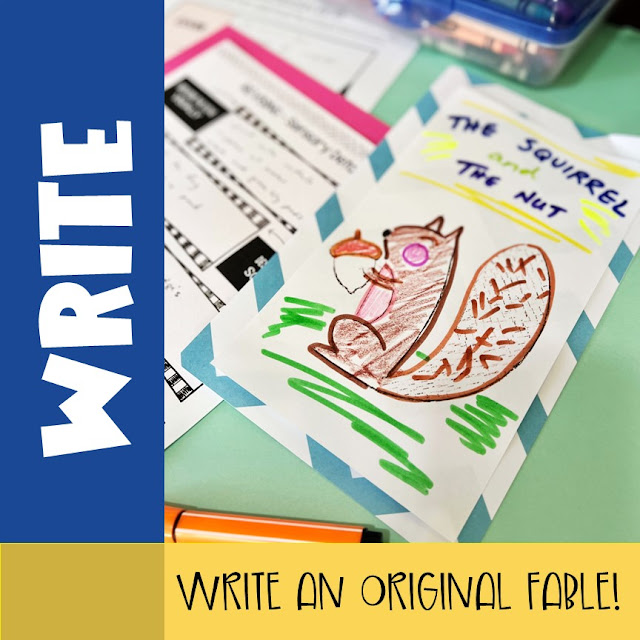
I LOVE giving students a chance to write their very own fable. I recommend starting with mentor texts so that students can become experts on the genre. Then, through targeted writing instruction, students can write their own story that includes a moral, animal characters, story elements, and illustrations. As students develop their stories, you can even have them "pitch" their stories to their peers acting as storybook editors. 

Once students have written a strong fable, take these lessons to the next level and let students create a children's book filled with illustrations. You could even have them share their fables with younger students. Check out this ready-to-teach Fable Writing Unit!


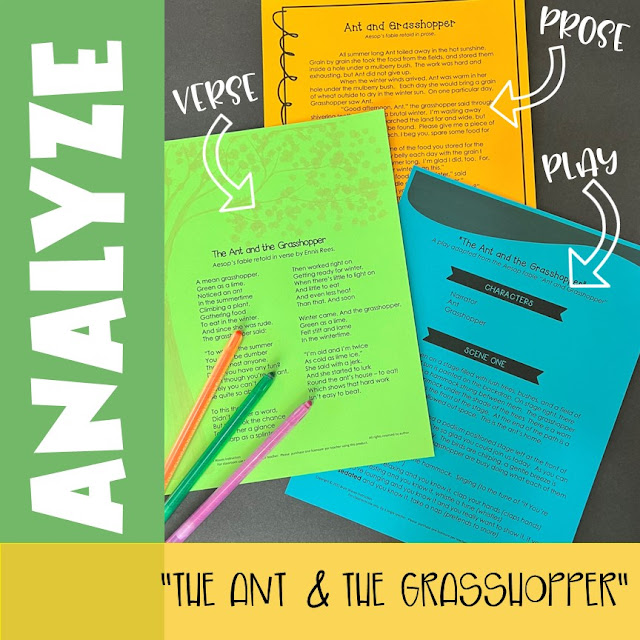
Don't you just love lessons that meet a ton of instructional standards at once? Well, this fable unit does just that! It’s a 7-day unit designed around Aesop’s fable “The Ant and the Grasshopper,” and in it students read three different versions of the fable. After building background on each form, they have the opportunity to critically read and respond to the fable in prose, verse, and drama form. 

Through small group work, independent studies, and class discussions students will not only understand and appreciate the elements of a fable and each form of literature, but they’ll also develop a deep understanding of each text. Learn more about this unit here.


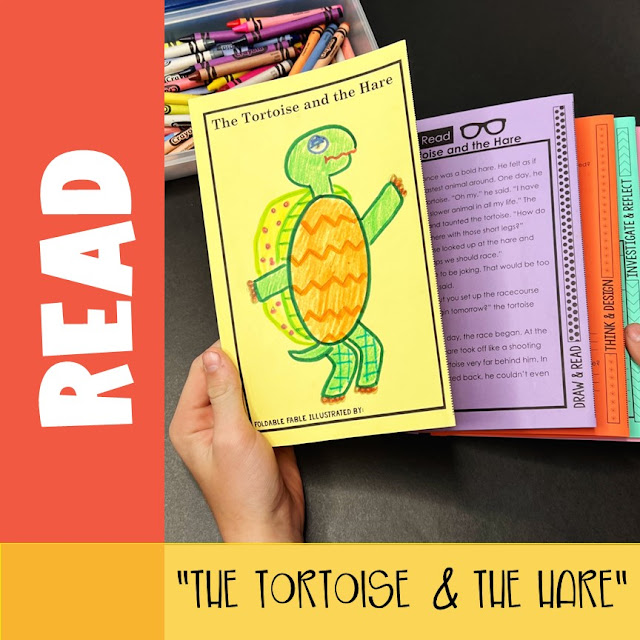
Of course, fables are wonderful to read in the classroom. But, why just read a fable when you can also connect, investigate, write, and draw? I created this Foldable Fables resource with Art with Jenny K. to combine reading, writing, and illustrating. This resource is super engaging because students create an accordion-style booklet filled with their learning and creativity. It's fun and educational!

The seven learning activities help students connect deeply to their reading. Check out the super engaging Foldable Fable here!


I've found that fables are wonderful to add to learning stations focused on reading comprehension skills. For instance, in this sequencing centers resource, students investigate "Fox and the Goat" at one of the learning stations. At the station, they're tasked to read the fable and then put the fable in the correct sequence with an interactive shape. 

Since fables are often short and focused they're the perfect addition to reading comprehension learning stations!


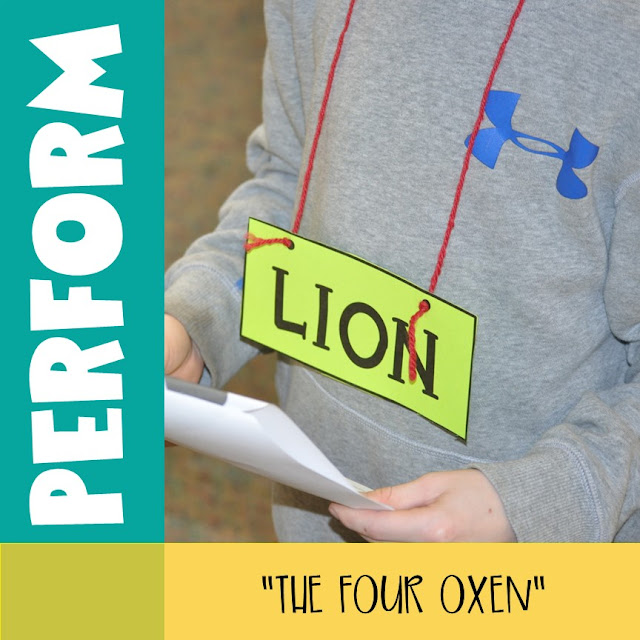
Fables lend themselves perfectly to plays. I've found that students respond really well to opportunities to perform short skits and plays in the classroom. In this theme mini-unit, students get to act out "The Four Oxen and a Lion." As a small group, they practice reading out loud, acting, and investigating theme. It's fun for students to get into different characters as they act out a fable!


I'm a big fan of reading out loud to students. Often, I would read stories to students as they completed their daily warm-ups. My read alouds included novels, poems, short stories, and of course, fables. You might mix-up your own read alouds with fables from around the world or modern fables. Here are a few collections of fables that you might want to add to your classroom library...

--- Aesop's Fables: The Classic Edition

--- Buddhist Stories for Kids

--- Filipino Children's Favorite Stories


-------------------------------------------------------------------

I hope you've found some simple ways to teach fables in your classroom! Fables really are wonderful literature treasures for teaching reading, writing, investigating, performing, and more!


Thanks for stopping by!

Mary Beth

P.S. My friend, Art with Jenny K., has another idea for adding fables to the classroom. Check out her post here.


*This post contains affiliate links.

Free Valentine's Day Bookmarks: Fun and Easy Classroom Activity or Valentine's Day Gift


I love celebrating holidays like Valentine's Day in the classroom. I also love encouraging students to read. So, what's better than a free Valentine's Day gift that combines a Valentine's Day message with a bookmark? Nothing! I'm so excited to share these free Valentine's Day bookmarks with you. They work perfectly as Valentine that teachers can give to students. Or, you can print these for a single student to give classmates. Oh...and you could even use the bookmarks as a classroom celebration activity where students make the bookmarks for each other. They're very versatile and so much fun! 

I have a feeling that you're going to love this FREE set of Valentine's Day cards that come in the form of bookmarks. 

Here's why I'm crazy about them...

--- They are easy to make.

--- Their message is sweet.

--- They can be used immediately as a bookmark.

--- They are perfect to give to students or for students to make for others.

--- Oh, and best part? They are free and ready to print right here.


After you print the Valentine's Day bookmarks, follow these simple steps:

1. Color in the rocket ship shape. There are 3 different options. You could also just print the rockets on colored paper. Cardstock works especially well.


2. Then, cut out the rocket ship shape and 3 pieces of yarn (about 10 inches long).


3. Next, punch three holes along the bottom edge of the rocket shape.


4. Fold a piece of yarn in half. Thread it into a hole at the fold. Then, pull the ends of the yarn through the loop. Finally, pull the yarn tight. (Repeat with the other 2 pieces of yarn).

(Don't forget to fill in the "TO" and "FROM.")


Just like that, you'll be ready to give a sweet, fun, and meaningful bookmark to someone special. Again, you can easily make these for your own students. Or, you can allot class time to have students make some bookmark Valentines of their own.


Everything you need to make these simple Valentines is right here.

Enjoy!

Mary Beth


P.S. I have MORE Valentine's Day lessons and ideas. Check them out here.


Creativity in the Social Studies Classroom - Ancient Civilizations


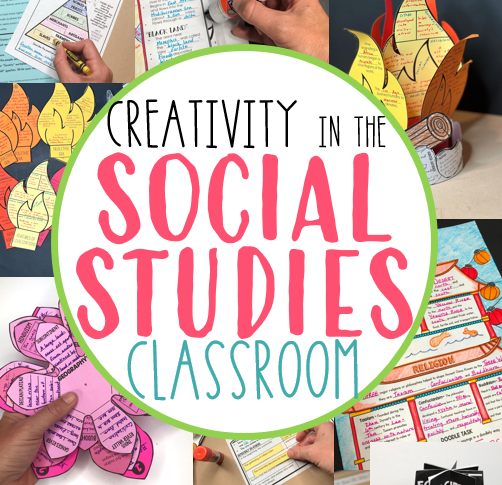
As a kid in school I loved when my teachers celebrated creativity in the classroom. In fact, when I reflect on my own education, the moments I remember the most were the creative ones.  I vividly remember making salt maps of the state, book report mobiles, models, papier-mâché globes, interactive brochures, puppets, and dioramas.  What about you?  Are the instructional moments that you remember the most tied to creative activities?  There's just something so powerful about hands-on learning with creative opportunities.

Now, more than ever, in our assessment-focused world of education, it's time to infuse creativity into the classroom!  Check out these fun ways to turn ancient history lessons into creative hands-on learning experiences!

EARLY MAN

During this project, students complete 5 different learning stations. Students complete their work on flame shapes that they can transform into a 3-D fire. Working both independently and with small groups, students learn about The Paleolithic Era, the Neolithic Era, the Great Migration, and elements of a civilization. (Learn more here.)


ANCIENT MESOPOTAMIA

As students complete 6 learning stations about ancient Mesopotamia, they'll build a 3-D ziggurat. The stations focus on geography, religion, accomplishments, politics, economics, and society. The end result is a 3-D structure that students can display on their desks or around the classroom. (Learn more here.)


ANCIENT EGYPT

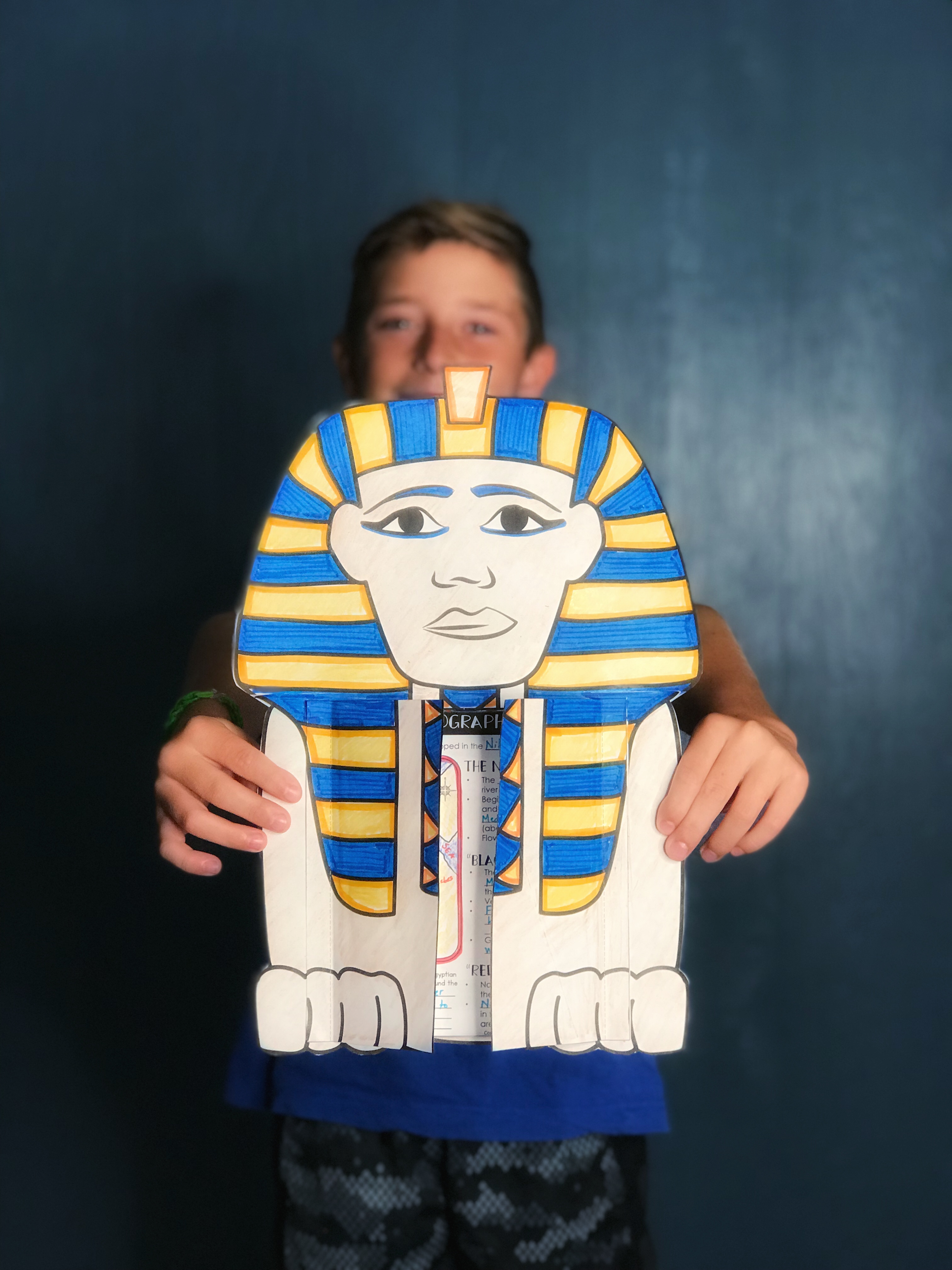
With this hands-on project, students learn all about ancient Egypt before turning their learning into an interactive sphinx. Students build flip-able parts of the sphinx poster while their progress through 6 different learning stations. The end result is a celebration of Egypt and their learning! (Learn more here.)


ANCIENT CHINA

Learning about ancient China is especially engaging with this fact hunt and doodle poster. Not only will students collect critical facts about the ancient civilization, they'll also display their learning with doodles that they create. The poster's extra-long size makes it unique and perfect to display in the classroom. (Learn more here.)


ANCIENT INDIA

If I have to pick a favorite hands-on World History project, this one might be it. During this project, students add information about ancient India to different layers of a lotus flower while progressing through 6 stations. When they're finished, they turn their learning into a 3-D lotus flower. The end result is a stunning collection of learning. (Learn more here.)


ANCIENT GREECE

This hands-on learning project includes 6 learning stations about ancient Greece. During the stations, students create an accordion-style book to showcase their learning. They'll assemble the foldable parts of the book to create a Parthenon accordion book. It's interactive and meaningful. (Learn more here.)


ANCIENT ROME

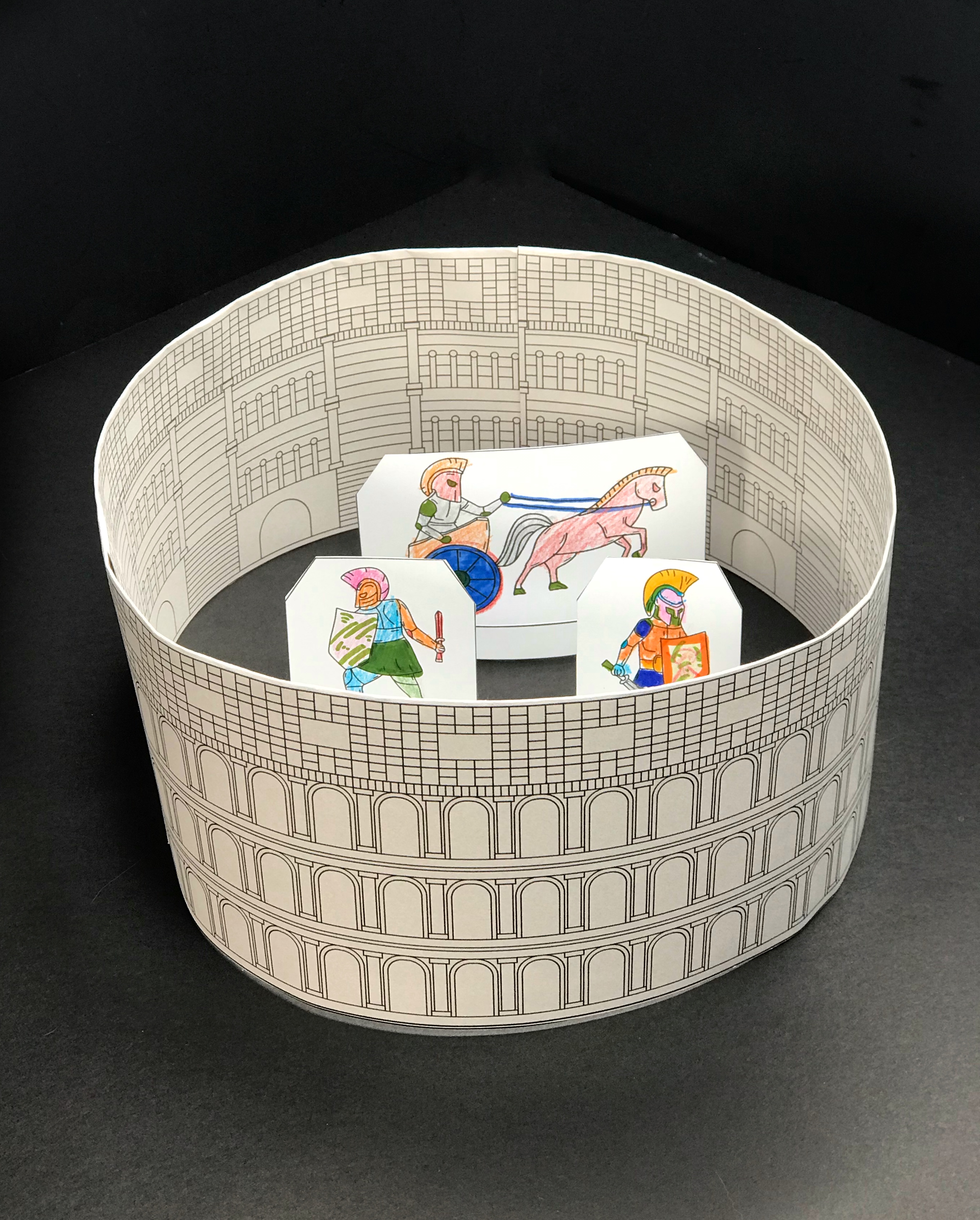
This ancient history project is especially fun. After completing 6 engaging learning stations about ancient Rome, students will turn their learning into a 3-D version of the Colosseum. And...to amp up the "fun factor" there are even 3 gladiator figures that students can design and display inside their Colosseum. (Learn more here.)

-------------------------------------------------------------------------------

These projects are the perfect combination of rigor and creativity. If you're looking for fun ways to mix up your Social Studies instruction, check out these hands-on units here:


Thanks for stopping by!
Mary Beth


Engaging Writing Activities for Reluctant Writers - Classroom Activities to Improve Writing


For many students writing can be intimidating and overwhelming. That's why it's essential to provide students with a variety of writing activities to make learning meaningful and rewarding. Here are a few of my favorite ways to make writing engaging for reluctant writers in your classroom.


TIMED WRITING ACTIVITIES

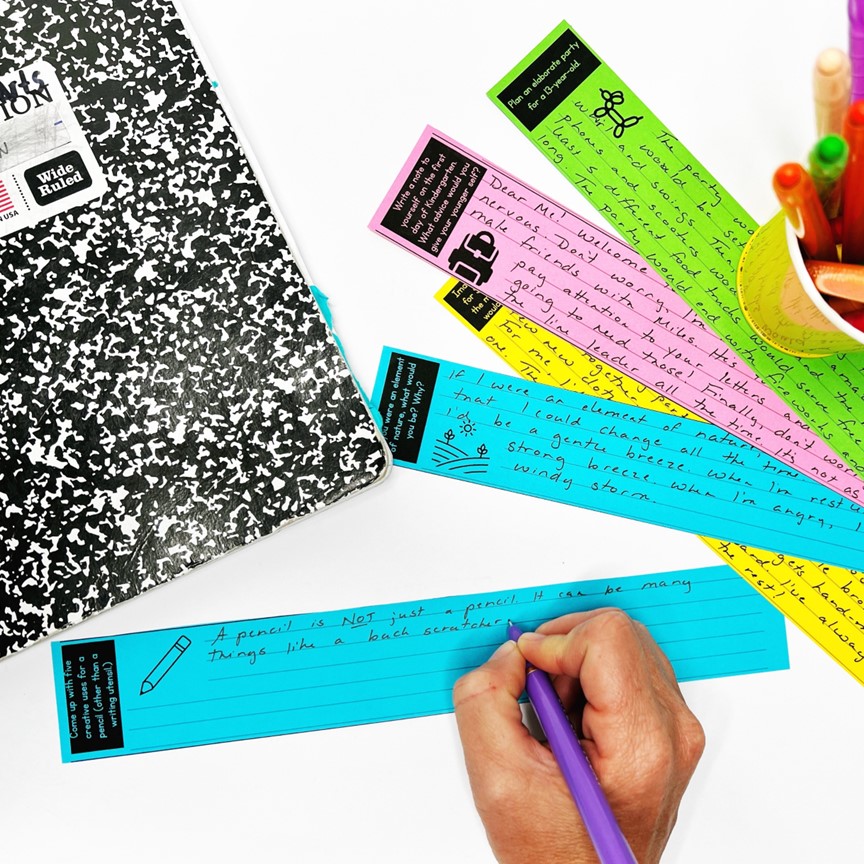
Timed writing activities challenge students to race the clock as they write as much as they can during a fixed time period. Students are encouraged to “just write.” There is no pressure for perfection. In fact, the only parameter is that they need to write for the entire time. The fun nature of timed writing activities help students develop confidence as they experiment with the writing craft. Here are a few challenges to try...

*** In 5 minutes...make a list of 25 things you can do with a hula hoop.

*** In 10 minutes...write a fan letter to your idol persuading them to send you an autograph.

*** In 15 minutes...create a new kind of toy for toddlers that entertains busy toddlers.


CLICK HERE for 15 more!


WRITING HANDBOOK (with examples and prompts)

Another way to support reluctant writers is to teach short, targeted mini-lessons to help build students' writing skills. When students are provided with more support and examples of writing, their own writing improves. As their skills develop, so does their confidence. When developing writing mini-lessons, I like to include:

*** A specific topic like audience, voice, or word choice.

*** Written examples of the skill for students to analyze.

*** A writing prompt for students to practice the skill.


Find 26 writing mini-lessons HERE.


CREATIVE WRITING LESSONS

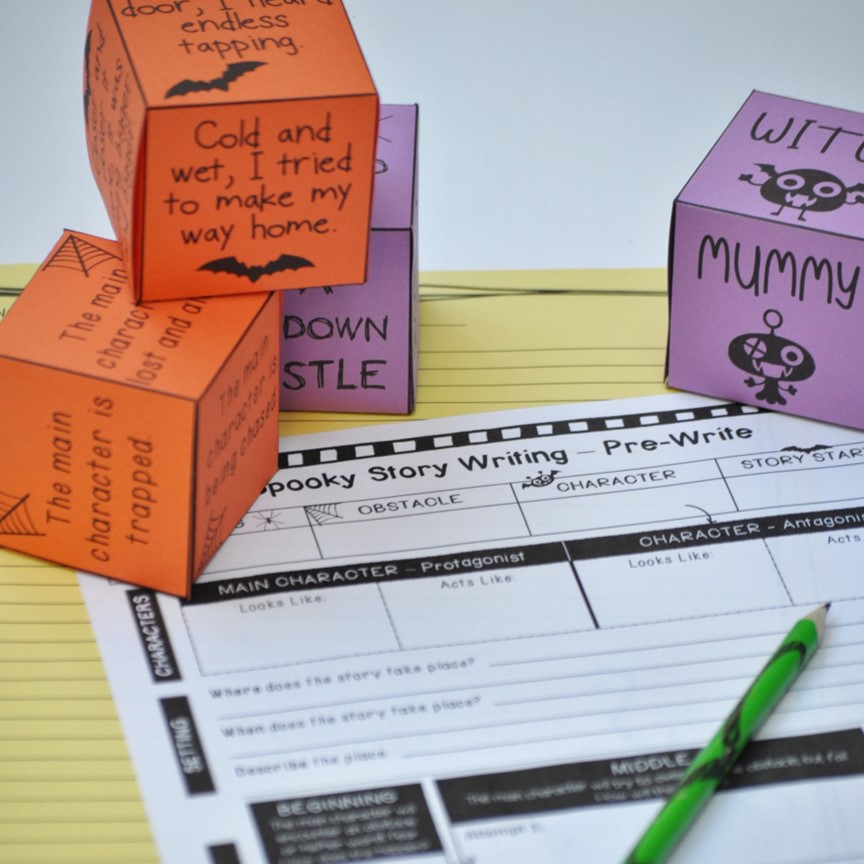
Reluctant writers benefit greatly from creative writing lessons. Not only are creative writing lessons highly engaging, they're also a lot less intimidating than formal writing genres. Also, creative writing lends itself to sharing. When students share their writing they build a community of writers and develop their skills as they listen to each others' writing. Here are some of my favorite FREE creative writing lessons:

*** Spooky Story Writing

*** Limerick Writing Lesson


ENGAGING WRITING UNITS

An essential part of writing instruction is guiding students through the writing process as they create different genres of writing. In my experience, the ideal writing unit is 2 weeks in duration and includes step-by-step instruction for each aspect of the writing process. To make longer writing units appealing to reluctant writers, the key is to make the topics engaging. For instance, here are some engaging topics for different styles of writing...

*** Descriptive Writing - Imaginary Pet Sketch (mystery animal) 

*** Persuasive Writing - Write a roller coaster advertisement

*** Informative Writing - Create a historical news article


WRITING MINI-LESSONS

One of the best ways to help reluctant writers build their skills and confidence is with targeted writing instruction. I love mini-lessons that can be easily incorporated into writing workshop, writing units, writing centers, or everyday writing instruction. When developing writing mini-lessons, I try to make sure they are...

*** Quick and targeted

*** Fun and engaging

*** Filled with practice


Check out my 10 favorite writing lessons HERE.


CHOICES


Teachers have long known that choices are the key for engaging reluctant learners. The same holds true for writers. One of the easiest ways to motivate students is to give them choices when responding to writing. Grab this free choice board filled with writing prompts here.


WRITING PROMPTS

Reluctant writers need lots of opportunities to write. The more they write, the easier it will get. The easier it gets, the more success they'll feel as they write. There are lots of ways to use writing prompts in the classroom...

*** Warm-up activity
*** Homework assignment
*** Learning station task


Grab a FREE set of 20 fun writing prompts HERE.


----------------------------------------------------------------


I hope you've found a few ideas for helping your reluctant writers transition into confident writers!


Thanks for stopping by,

Mary Beth


P.S. Check out this blog post filled with 3 secrets to fantastic writing instruction.

Activities and Lesson Ideas for Teaching "A Christmas Carol"


December always marked five wonderful days of teaching "A Christmas Carol" by Charles Dickens and dramatized by Frederick Gaines in my middle school classroom. The classic tale about choices and the way they impact those around us is meaningful and profound. 


Since students must navigate through the elements of a drama, the challenging vocabulary, and the historical references in the play, I've created a unit that helps students successfully read and analyze the text. Here are a few of my favorite activities to accompany reading "A Christmas Carol."


BUILD BACKGROUND

"A Christmas Carol" was published in 1843 in England. Nearly one-third of Londoners were living in poverty at the time. The city of London was dirty and overpopulated as factories grew in the city. The Poor Law of 1834 forced homeless into workhouses. It was a dark time for those in need. Dickens sheds light on these issues throughout the play. That's why I like to start the unit with an activity to build background on The Poor Law, Workhouses, Charles Dickens, Novella, and "Dickensian" England. 

Help students build background by...

*** Providing reading passages for small groups to read and collect important facts

*** Assigning topics for students to complete mini-research projects about to share with the class

*** Watching short videos on YouTube about the different topics


VOCABULARY

The vocabulary in "A Christmas Carol" is challenging. While reading they will encounter words like endeavor, surplus, and provision. 


Provide students with a list of new vocabulary words and help students create meaning for the words by...

 *** Having students define the word and create an illustration

*** Challenge students to write sentences or a paragraph using the words in context


CHARACTER ANALYSIS

The character of Ebenezer Scrooge is iconic. His transformation from a greedy miser to a generous gentleman is inspiring in the play. Since Ebenezer's growth is at the heart of "A Christmas Carol," I think it's important to include lessons about characterization in this unit. 

Give students a chance to analyze Ebenezer Scrooge by...

* Recording character traits on a character web. Divide the web into two parts so that students can analyze how he changes throughout the play.

* Host a discussion about Ebenezer's character. Discuss how he speaks and acts in one scene vs. another.

* Encourage students to act out how Ebenezer might react to a situation at the beginning of the play vs. at the end of the play.


WRITING

Once students finish reading "A Christmas Carol," it's a great idea to give them a chance to respond to writing prompts or complete a writing task.

Here are some fun writing tasks...

* Write a letter to Marley as if  you are Scrooge. Recount "your" transformation to Marley.

* Think about a significant choice that you've made. Write how this choice impacted your life and those around you.

* Charles Dickens was a social crusader. Take on a social issue and write how you could make a change.


REFLECTION

To help students connect to the play, give them a chance to reflect on what they learned about while reading. I like to include a creative culminating activity to wrap up and solidify students' understanding of their reading.


You could have students reflect on their learning by...

* Putting together a personal reflection that includes what they have learned in the past, present, and hope to learn in the future.

* Creating a set of questions for students to discuss in small groups.

* Giving students an opportunity to share what they learned, liked, and didn't like about "A Christmas Carol."


----------------------------------------------

I hope you've found a few ideas to add to your own instruction of "A Christmas Carol." To learn more about the complete unit that includes over 40 pages of resources, just click HERE.


Wishing you and your students a festive holiday season,

Mary Beth


P.S. If you're looking for more ways to celebrate the winter season in your classroom, check out this fun collection of my favorite winter lessons!


Pop Up

Related Posts Plugin for WordPress, Blogger...