Introduction to Shakespeare Activities to Make Shakespeare Fun, Approachable, and Meaningful


Teaching Shakespeare can be a rewarding experience, and incorporating creativity into your approach can make the material more engaging for students. Here are seven creative ways to begin a unit on William Shakespeare or a unit that studies his literature...


1. Create a scavenger hunt with facts related to Shakespeare's life, works, and the Elizabethan era. Hide or hang the facts around the classroom or school. Then, have students hunt for the facts. As they find each fact, have them add the information to their notes as they build background on Shakespeare. 

This activity gets students up and moving while providing them a historical base for their Shakespeare studies. Need ready-made facts? Find them here!


2. Have students choose a character from one of Shakespeare's plays and write a modern-day monologue for that character. This activity allows students to connect with the characters on a personal level and showcase their understanding of the language and themes.


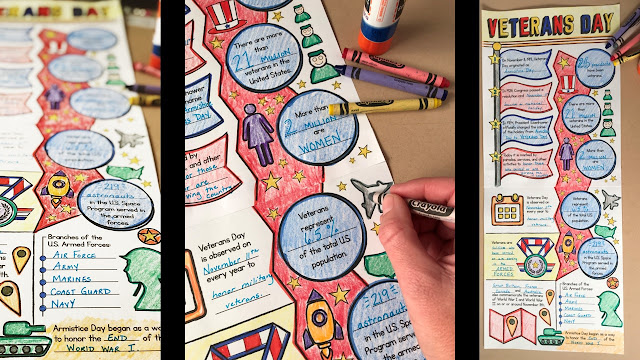
3. Make learning about Shakespeare especially engaging with a doodle poster. Have students fill the poster with facts about William Shakespeare. Then, have students glue the pages together to make an extra-long infographic. As students color in their doodle poster, they'll be exposed to facts one more time. This activity makes building background creative and fun. Grab a ready-made doodle poster HERE.


4. Ask students to imagine that Shakespeare and his characters had social media profiles. They can create Facebook pages, Instagram accounts, or Twitter feeds for characters like Romeo, Juliet, or Hamlet. This activity encourages creativity and helps students relate Shakespearean themes to contemporary communication. 


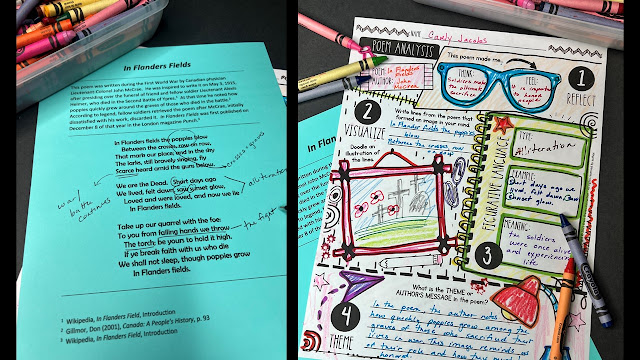
5. Give students a chance to investigate one of Shakespeare's sonnet. You can assign a sonnet or have students choose one of their own. Then, guide them through analyzing the poem with a Doodle Poem Analysis one-pager. This guide makes analyzing the poem approachable and creative. It's also a great way to get students to share their poem analysis with others. You can download the FREE Doodle Poetry Analysis HERE.


6. Use a simple craft like this "Will's Quill" activity to get students learning about Shakespeare. First, have them research facts about Shakespeare. They should also find a quote that they like from Shakespeare. Students will add their work to feather shapes. Then, they'll cut out and glue the feathers together to make a quill just like one William Shakespeare would have used. Find everything you need to do this activity HERE.


7. Devote a day to immerse students in the Elizabethan era. Encourage them to come dressed in costumes from that time, play Renaissance music, and even serve Elizabethan-inspired snacks. This thematic approach can set the stage for a deeper exploration of Shakespeare's works.

-----------------------------------------------------------

These ideas are designed to make learning about Shakespeare fun and relatable. Taking the time to make Shakespeare approachable can be a great way to foster a lifelong appreciation for his work. 

I hope you give some of these ideas a try. (And don't forget get to save a TON of TIME with the William Shakespeare Doodle and Do resource!)

Thanks for stopping by,

Mary Beth


P.S. Find more ways to make learning fun here.


Social Emotional Learning Games - Activities and Games to Promote SEL in the Classroom


Are you on the lookout for engaging and fun ways to foster social-emotional learning (SEL) skills in your students? Well, you're in the right place! Whether you're a seasoned teacher or a fresh-faced educator, I've included a treasure trove of games that will transform your classroom into a hub of self-awareness, self-management, relationship building, social awareness, and responsible decision-making.

These games are not only a breeze to implement, but are sure to have your students begging for more. These activities aren't just about learning; they're about making SEL skills an integral part of your classroom culture. So, let the games begin!


Self-Awareness: 

Game 1: Empathy Chairs

This game is similar to musical chairs, but it has a social-emotional learning twist. Start the music as students rotate around a circle of chairs with emotion cards on the seats. When the music stops, they'll need to grab a seat. Based on the card at their seats, students will share experiences that they have had related to that emotion. For ready-made cards and detailed directions, click here.


Game 2: Feelings Charades

Get ready to break the ice with a classic game of charades, but with a twist! Instead of acting out movie titles or animals, students will express various emotions using only their facial expressions and body language. This not only hones their emotional awareness but also creates a safe space for open communication about feelings.


Game 3: Emotion Journaling

Equip your students with journals and encourage them to express their daily emotions through words, drawings, or a combination of both. This simple yet effective exercise fosters self-awareness by helping students identify and reflect on their emotions. Bonus: It's a fantastic tool for tracking emotional trends over time. Find my favorite journal prompts for building self-awareness here.


Self-Management: 

Game 4: Mindful Minute Challenge

Kick off each class or session with a mindful minute challenge. Set a timer for 60 seconds and guide students through a brief mindfulness exercise, such as deep breathing or visualization. This routine cultivates self-management skills by teaching students to center themselves, promoting focus and emotional regulation. You can also practice mindfulness with these FREE finger labyrinths.


Game 5: Goal-Setting Bingo

Turn goal-setting into a game! Create bingo cards with various self-management goals (e.g., completing homework on time, staying organized, managing time effectively). As students achieve each goal, they mark it off their bingo card. The first to get a bingo enjoys a small reward. It's a playful way to instill discipline and responsibility. Or turn goal-setting into a group bulletin board. Grab the FREE goal-setting materials here.


Game 6: Popcorn Game

Play a game called "Popcorn." Have students get into a circle. Explain that the goal is for them to each take a turn popping into the air and clapping at the same time. The only catch is that they must go in a random order. If they "pop" up at the same time as a classmate, they should all start again. This is great way to promote impulse control. Grab detailed directions to play this game and four others here.


Relationship Skills: 

Game 7: Collaborative Storytelling

Fuel creativity and teamwork by having students work together to create a story. Each student contributes a sentence, building on the narrative created by their peers. This not only strengthens relationships but also enhances communication and cooperation skills. Plus, it's a blast to see where the story takes unexpected twists and turns! (These reading passages based on SEL learning skills are fun, too!)


Game 8: Group Challenges

Help students develop their relationship skills as they complete a series of fun challenges as a team. Have teams of students work together to solve 5 different challenges that focus on teamwork, collaboration, and leveraging individual strengths to emphasize the power of working together. Make planning these challenges easy with these ready-made stations.


Game 9: Peer Appreciation Circle

Form a circle and have students take turns expressing appreciation for the person on their right. This simple yet powerful exercise builds positive relationships within the class and reinforces the importance of acknowledging each other's strengths and contributions.


Social Awareness: 

Game 10: Perspective Puzzles

Print or draw pictures of various situations and scenarios. Have students work in pairs to discuss and understand the emotions and perspectives of the people in the pictures. This game sharpens social awareness by encouraging students to consider different viewpoints and practice empathy. I've created a set of cards for this game here.


Game 11: Community Connections Scavenger Hunt

Create a list of community-related items or tasks that students can complete outside of the classroom, fostering a sense of connection to the broader community. This activity enhances social awareness by encouraging students to explore and appreciate the world beyond their immediate surroundings.


Responsible Decision-Making: 

Game 12: Decision Dilemmas

Present students with real-life scenarios that require responsible decision-making. Engage them in thoughtful discussions about the potential outcomes of each choice. This game equips students with the skills to analyze situations, consider consequences, and make informed decisions—a crucial aspect of responsible decision-making. Need some scenario cards to share with students? Grab them here.


Game 13: Consequence Connect Four

Create a Connect Four game board with spaces featuring different consequences of actions. As students play, discuss the potential outcomes associated with each move. This visually engaging activity reinforces the concept that every decision has consequences and helps students develop a sense of responsibility.


Game 14: Decision Making Prompts

Get students thinking about how they might respond to situations with targeted writing prompts. Share prompts that challenges students to make a decision. Then, give them opportunity to write how they might respond. Let students share their responses with peers or small groups. 


----------------------------------------------------------------------

And there you have it, a bunch of games designed to infuse your classroom with social-emotional learning! These activities are not just about learning; they're about creating an environment where students flourish emotionally, socially, and academically. So, why wait? Dive into the world of SEL games and watch your students grow into self-aware, emotionally intelligent, and socially adept individuals. Your classroom is about to become the epicenter of SEL success—game on!

Wishing you lots of fun in your classroom,

Mary Beth


P.S. Find 15 MORE social-emotional learning activities HERE.

5 Things Every Student Should Know about Veterans Day


As educators, our mission extends far beyond the confines of textbooks and classroom walls. We are tasked with nurturing young minds, fostering empathy, and instilling a deep sense of civic responsibility in the next generation. That's not always an easy task! One crucial aspect of this duty is teaching our students about the significance of Veterans Day. (Click here for ready-made lessons.)
We all know that Veterans Day is not just another holiday on the calendar. It is a powerful opportunity to instill values of gratitude, respect, and pride in students. In this blog post, I'm sharing essential facts about Veterans Day that you may want to share with your students. You'll also find practical strategies to make this holiday meaningful for your middle school students.


Here are 5 essential facts about Veterans Day to share with students...

1. Date and Significance: Veterans Day is observed on November 11th every year. It is a day to honor and express gratitude to all veterans who have served in the United States Armed Forces. Veterans Day is a time to honor and show appreciation to all military veterans, both living and deceased, who have served in the United States Armed Forces.


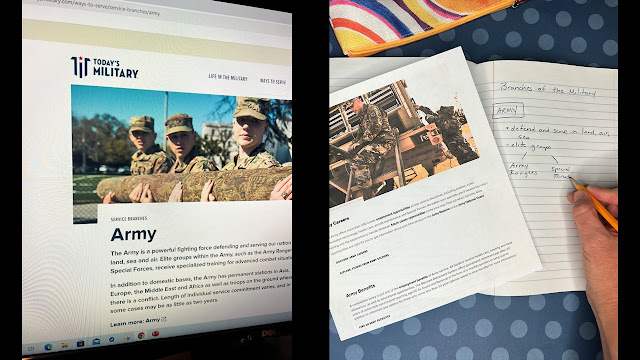
IDEA: Since Veterans Day is an opportunity to teach students about the sacrifices that veterans and their families have made for the country, it's a chance to discuss the different branches of the military and the roles they play in protecting the nation. Help students gain a better understanding of the branches with a cooperative jigsaw activity. 


Divide students into five groups. Assign each group one branch of the military. Have students work together to research the role, function, uniform, and important terms associated with the branch of the military. Then, re-form new groups with one expert from each branch. Have students take turns sharing what their learned about their branch. Finally, have each group present their findings about one branch to the entire class.


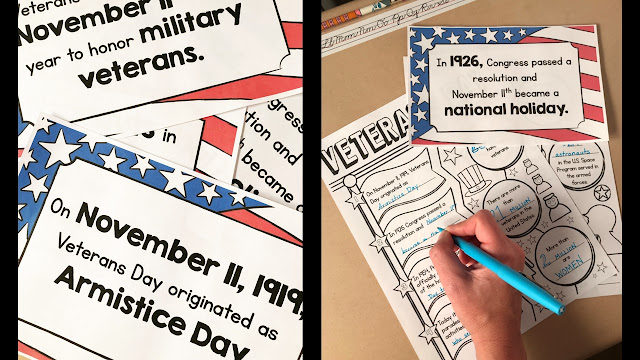
2. Origin of Veterans Day: Veterans Day was originally known as Armistice Day. It was established on November 11, 1919, to commemorate the end of World War I and honor the veterans who fought in that war.


IDEA: Help students learn all about Veterans Day with a collection of facts hidden around the classroom. 


As students complete the Fact Hunt, they can compile their learning on doodle posters all about Veterans Day. Grab a collection of 14 facts here.


3. World War I Connection: The date, November 11th, was chosen because it marks the armistice (ceasefire) that ended World War I. This war officially ended at the 11th hour of the 11th day of the 11th month in 1918. 


IDEA: Get students up on their feet collecting important facts about Veterans Day. As they rotate around the classroom, have them add the facts to a doodle-style infographic poster


Give students time to color and decorate their posters to reinforce their learning. Then, have a discussion about what they learned as you display their posters.  


4. Difference from Memorial Day: Veterans Day is often confused with Memorial Day, which is another important holiday. Memorial Day, observed on the last Monday in May, honors those who died in military service, while Veterans Day honors all veterans, including those who are still alive.


IDEA: Encourage middle school students to actively thank veterans in their community. This could involve writing letters, creating cards, or volunteering at local veterans' organizations to show appreciation for their service. 


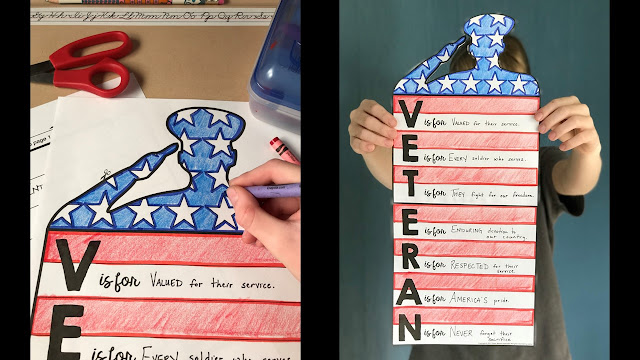
One of my favorite ways for students to thank a veteran is with a Veteran Poem. Students create an acrostic poem on a solider shape and then they can give the poems to veterans. Here's the template for the Veteran poem.


5. The Poppy Flower: The red poppy flower is often associated with Veterans Day. This tradition comes from the famous World War I poem "In Flanders Fields," where poppies grew amidst the graves of soldiers. Wearing or displaying a red poppy is a way to honor veterans.


IDEA: Read and analyze the poem "In Flanders Fields" with students. 


As students read the poem, have them work through this FREE Doodle Poem Analysis. Then, have students create paper poppy flowers. They could write messages of gratitude on or around the flowers they create.

How to Create a Calm Classroom with Calming Classroom Decor


Have you ever walked into a classroom that was so visually overwhelming it made your head spin? From bright colors to busy patterns, classroom decorations can either enhance or hinder student learning. But did you know that a calming environment can actually have a positive impact on academic performance? Studies have shown that the right classroom decorations can reduce stress, improve focus, and even encourage creativity


SPOILER: I've included a link to a set of FREE calming classroom posters at the end of this post!


Let's delve into the science behind calming classroom decorations, see how to create a calming environment, and explore the benefits of incorporating natural elements into your classroom décor. 


Research has shown that a calming classroom environment can have a positive impact on student academic performance. But what exactly is the science behind it? According to a study by the University of Salford, the physical characteristics of a classroom can impact student learning by up to 25%. This includes factors such as lighting, temperature, and yes, even decorations. A calm and organized classroom can help reduce stress levels and improve concentration, making it easier for students to retain information. By incorporating natural elements and soothing colors, teachers can create a calming atmosphere that reduces stress and improves academic performance.

Calming decor in a classroom isn't just about adding a few plants or muted colors. It's about creating an overall environment that fosters a sense of safety, comfort, and tranquility for students. To achieve this, teachers can take a few simple steps such as decluttering the classroom, utilizing natural light, and rearranging furniture to create a more spacious and open feel. Simple changes like these can go a long way in promoting relaxation and focus in students.

By creating a calming environment, teachers can set their students up for success. 


calming classroom environment can be achieved through various design strategies. Among these, color psychology plays a critical role in creating a soothing and relaxing space for students. 
Soft pastel shades of pink and purple are also known to create a calming effect and promote feelings of comfort and security.


Certain colors such as blue and green have been found to evoke feelings of calmness, tranquility, and focus, making them ideal for classroom decorations. 


On the other hand, bright and bold colors such as red and orange can have the opposite effect and induce feelings of stress, anxiety, and restlessness. While these colors may be appropriate in some contexts, they are best avoided in a classroom environment where relaxation and focus are essential for learning.

By understanding the principles of color psychology, teachers can choose the right decorations and color schemes for their classroom to create a calming and conducive learning environment. 


To create a calming classroom environment, choosing the right decorations is crucial. As discussed earlier, soft and muted colors are ideal for promoting relaxation and concentration, while bright and bold colors should be avoided. When selecting decorations, it is important to keep the overall color scheme in mind and ensure that it complements the calming atmosphere. Nature-inspired decorations can be an excellent choice for a calming classroom. 

Elements such as plants, natural textures, and landscapes can create a soothing environment and promote feelings of well-being. Additionally, incorporating elements of nature into your classroom can inspire curiosity and promote learning about the world around us.

Here are some calming classroom design mood boards to get you inspired...


By carefully selecting the right decorations and color schemes, teachers can create a calming and conducive learning environment for their students. 


Plants, natural textures, and landscape-inspired decor can help create a relaxing atmosphere that promotes concentration and well-being.

Adding plants to your classroom not only enhances its aesthetic appeal, but it also helps purify the air and promotes a healthy environment. You can choose plants that are easy to care for, such as spider plants, peace lilies, or succulents. Hanging or mounting them on walls or placing them on desks or shelves can create a sense of natural beauty and relaxation.


Textures such as wood, woven materials, or natural fibers can provide a tactile feel that adds warmth and depth to your classroom. Using earthy and calming tones such as blues, greens, and browns can contribute to a soothing atmosphere, while pops of brighter colors can add interest and stimulate creativity.

Landscape-inspired decorations can also promote a love for the environment and inspire curiosity about the world around us. Maps, photographs, or posters of nature scenes can immerse students in a world beyond the classroom, encouraging them to learn more about different cultures and ecosystems.

An easy way to add calm décor to your classroom is to start with your own teacher desk. By thoughtfully selecting natural supplies for your desk, you can set the tone for a calming work environment. Here are some examples...


-----------------------------------------------

In short, the science of calming classroom decorations shows that a well-thought-out and organized classroom environment can have a significant impact on student learning. By incorporating natural elements and soothing colors, teachers can create a calming atmosphere that reduces stress and improves academic performance.

So...what do you think?  Are you feeling inspired to create a calm learning environment?  I sure hope so!  To get you started, I created this FREE set of Calming Classroom Posters.


Just add your information below and then check your email inbox!


Thanks so much for stopping by!

Mary Beth

P.S. I've put together more classroom mood boards here.

* This post contains affiliate links.

Pop Up

Related Posts Plugin for WordPress, Blogger...